NegotiateHer
NegotiateHer Logo

JUNE 2026

Get To Work

What a Graduation Ceremony Taught Me About Action

A Note from Gitanjali

A few weeks ago, I had the tremendous privilege of attending the graduation convocation at Columbia Law School for my goddaughter. I arrived expecting to feel proud of her, which of course I was. What I did not expect was to leave feeling unexpectedly energized and a little unsettled in a productive way.

Graduations celebrate achievement, congratulate effort, and send students off with optimism. This one was all of that — and it was also urgent. The Keynote speaker in particular stayed with me — Donald Verrilli served as Solicitor General of the United States from 2011 to 2016 and as Deputy Counsel to President Barack Obama. He was key in passing laws to recognize Marriage Equality in the US. He spoke about his own generation and the work done to move society forward. He spoke with visible emotion about the causes he had dedicated his life to. Standing there after a lifetime of achievement, he said that despite everything his generation had done, he did not feel they had done enough. Then he said something simple that has stayed with me:

"Our generation should have done more. Your generation needs to get to work."

It reminded me that progress is not inherited automatically. Every generation benefits from the work of the people before them, but every generation also receives unfinished business. That applies to rights, opportunity, leadership, representation, fairness, and frankly, to the workplaces we operate in every day.

Another thing that struck me throughout the convocation was the intellectual courage of the speakers. They disagreed with the current state of the US and they challenged it with their polite questions. They held positions that were not always comfortable or universally accepted. But they did so with respect and seriousness. Nobody was performing outrage. Nobody was trying to dominate the room. They were simply making arguments they believed mattered.

That stayed with me because it connects deeply to something I have been thinking about for our upcoming podcast episode on women and workplace politics. Somewhere along the way, many of us absorbed the idea that politics means manipulation, that influence means compromise, and that having ambition somehow requires becoming harder, louder, or less yourself. I do not believe that.

What I saw at Columbia reminded me that there is another version available to us. You can be principled and still influence outcomes. You can challenge systems respectfully. You can hold strong views without becoming combative. You can understand politics without becoming political in the worst sense of the word.

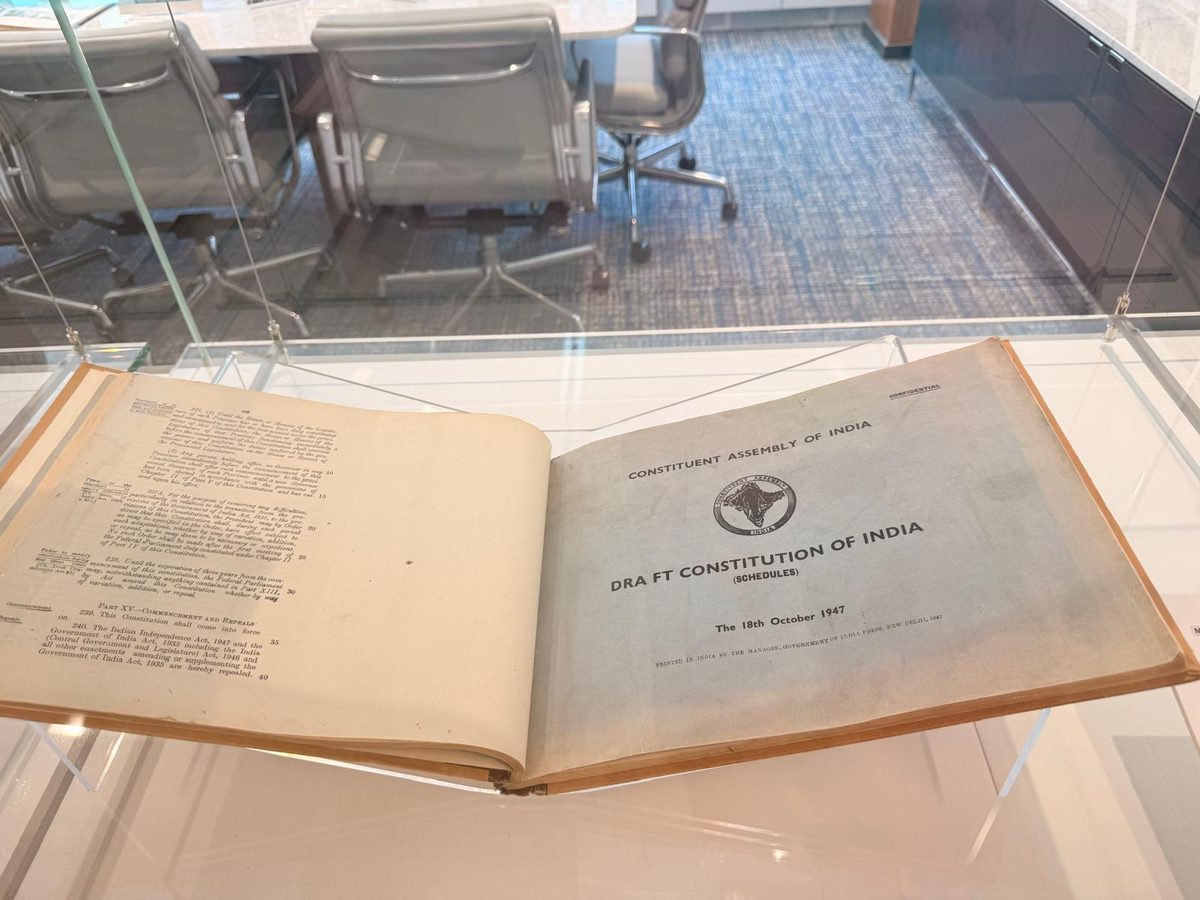
One of my favorite moments of the trip was unexpectedly seeing a copy of the draft of the Indian Constitution. I had never seen it before. Somehow it took my goddaughter wanting to become a lawyer, attending Columbia Law School, and this strange chain of life decisions for me to stand in front of something that meaningful.
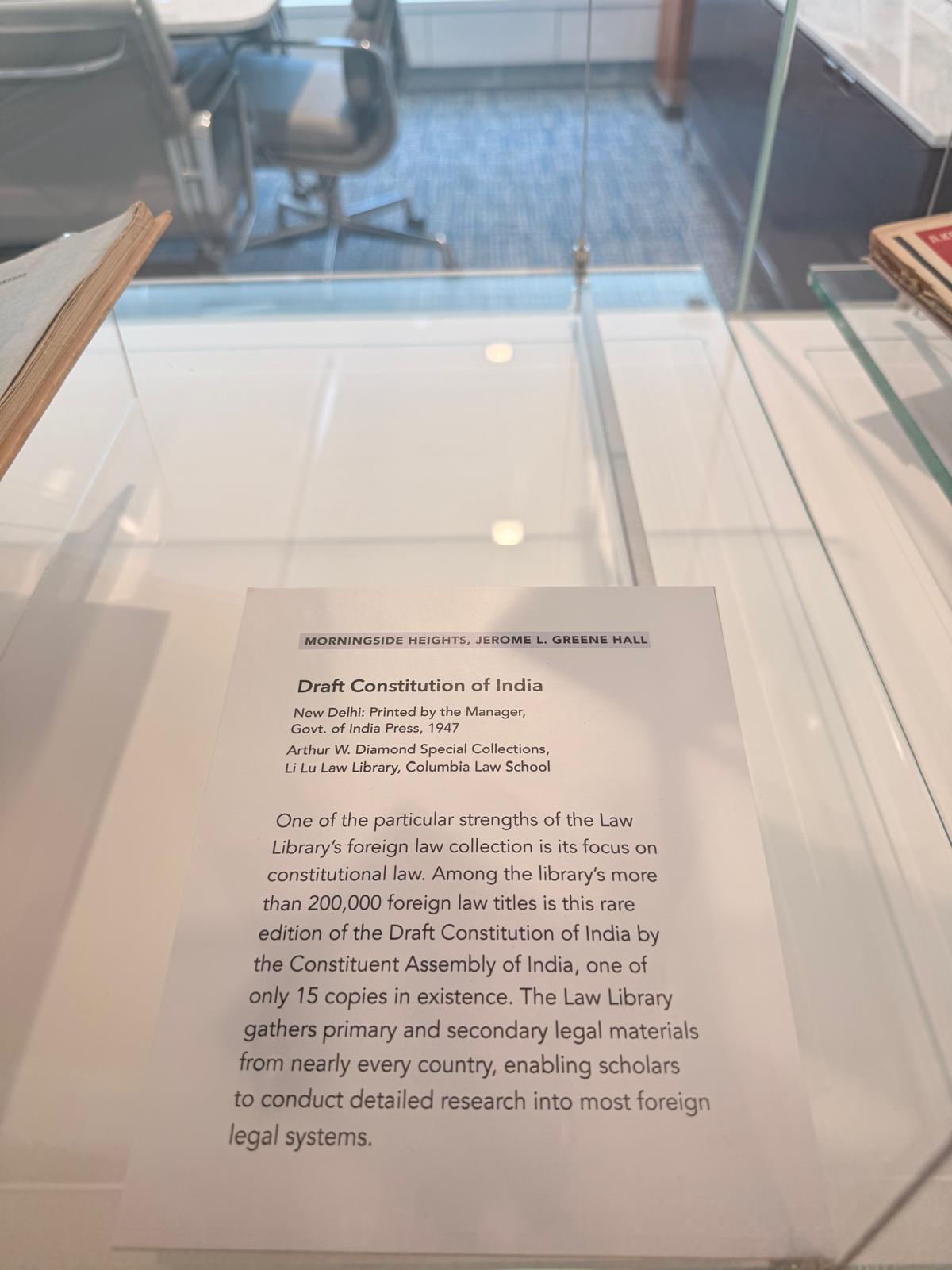
Draft of the Indian Constitution

Draft of the Indian Constitution

Draft of the Indian Constitution

A closer look

I also saw Ruth Bader Ginsburg's collar displayed there. She was one of the first women to graduate from that institution. Standing there, I found myself thinking not about how extraordinary she was, but about how ordinary the work must have felt while she was doing it.
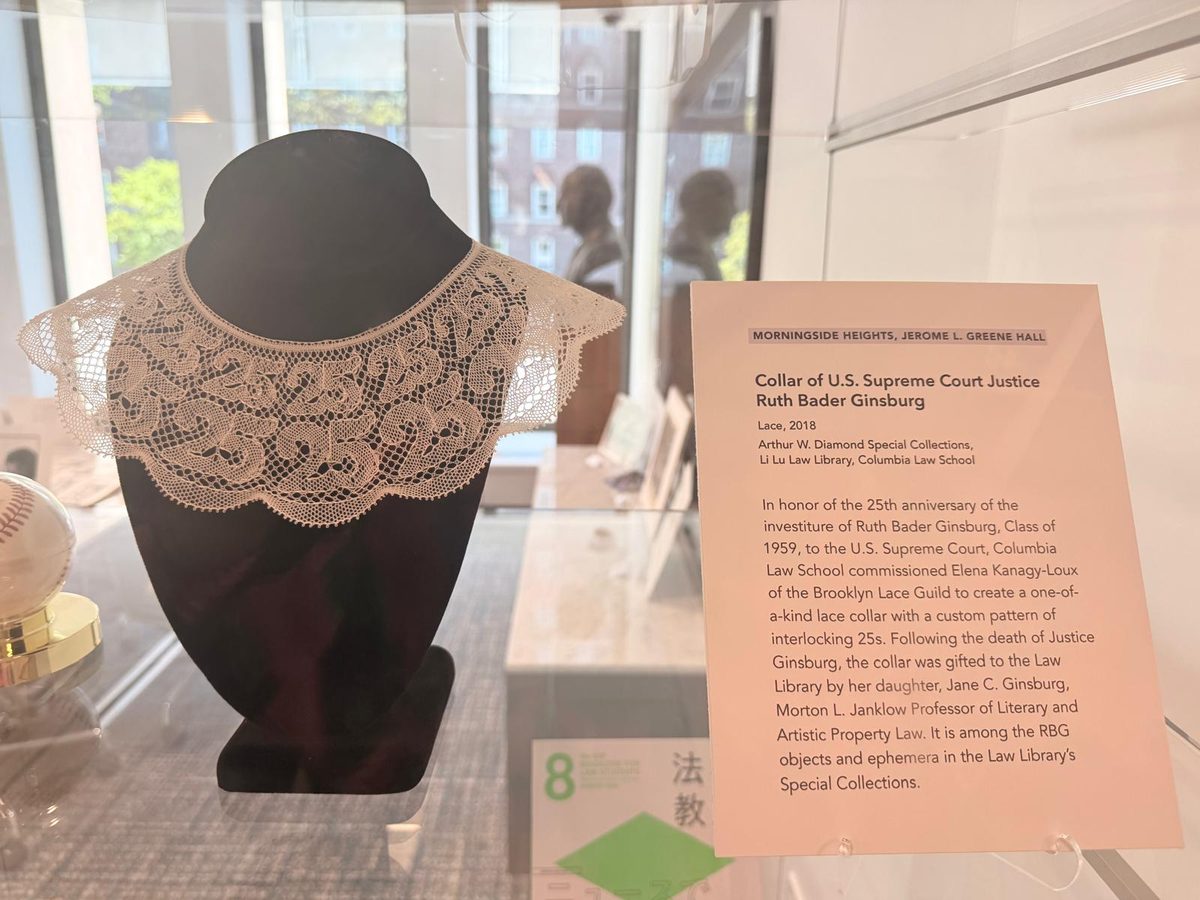
Ruth Bader Ginsburg's collar

Ruth Bader Ginsburg's Collar

Columbia Law School

Columbia Law School

🎙️ RESOURCE OF THE MONTH

Women and Workplace Politics — and How Not To Get Dirty

Apa and I talk about something I think many of us experience but rarely discuss openly. How do you stay values-led while becoming more influential? How do you understand visibility, networks, sponsorship, and power dynamics without feeling like you are becoming someone you do not want to become?

Politics already exist around us. The question is not whether we participate — the question is whether we participate consciously.

Also, thank you for the response to our May episode on Motherhood and Money. I received so many messages from women sharing calculations they had never made before and conversations they had never had before. Thank you for trusting us with those stories.

And one reminder because several people asked — NegotiateHer is now also available in video format on YouTube, in addition to Spotify and Apple Podcasts.

SpotifySpotify Apple PodcastsApple YouTubeYouTube

⚡ POWER MOVE

Move Before Certainty Arrives

One of the things I kept thinking after Columbia was how easy it is to confuse thinking with contribution. Many of us are thoughtful people. We read, reflect, prepare, analyze, discuss, and wait until we feel fully informed before we act. But meaningful change can begin before certainty appears.

Apply before you feel perfectly qualified.

Start before the structure is perfect.

Raise the topic before everyone agrees.

Volunteer before you know exactly where it leads.

Thoughtfulness is valuable. But action compounds.

❌ MISTAKE OF THE MONTH

Mistaking Awareness for Action

Another speaker with extraordinary passion about public service and the responsibility to use your skills in service of something larger than yourself. One story shared was that Columbia Law School students had helped contribute to the release of a young woman in Texas who had been wrongfully detained. These "kids" did not stop at being informed, they did not stop at simply caring. They moved. They acted.

I wonder how often we do this in our own careers. Surely we collect information and develop opinions. But we postpone action.

At some point, someone has to write the tough policy guidelines, ask the difficult question, challenge the decision, mentor the junior colleague, volunteer for the initiative, or stand behind the idea.

💭 YOUR JUNE REFLECTION

Get To Work

If you have time this month, watch one of the Columbia Law School commencement speeches. But do not watch it as entertainment. Watch it as if someone is handing you responsibility.

Watch Columbia Law Class Day 2026 →

Afterwards, take ten quiet minutes and write down your answers to three questions:

1. What is one problem in my work or community that I keep discussing but have not acted on?

2. Where am I waiting for certainty, permission, or perfect timing before I move?

3. What would "getting to work" actually look like for me in the next 30 days?

Closing Reflection

I left New York thinking about something I had not expected. Maybe courage is simply deciding that seeing a problem creates some responsibility to act — enough to move things forward, not to solve everything, but to contribute in whatever way is available to me.

What stayed with me from Columbia was the honesty of people who had already achieved so much and still believed there was more to do. Perhaps that is the challenge for all of us. To stay hopeful without becoming passive. To stay ambitious without becoming hardened. And to leave behind something slightly better than what we inherited.

There is still work to do. And strangely, I suddenly find that thought less exhausting than I used to. I find it energizing.

With clarity and courage,

Gitanjali

Chief NegotiateHer

Connect with us

LinkedIn Instagram Spotify Apple Podcasts YouTube E-Learning

Stand up for yourself, and if you can, stand up for others.

If you would like to unsubscribe, click here

If you ever need us, we'll be here. No need to negotiate that. 🤍

© 2026 NegotiateHer. All rights reserved.

Enjoyed this? Get the next letter from Gitanjali in your inbox, once a month.

Subscribe free